

Kenny
Performance Architecture & Behavioural Systems Design
Snapshot
Over three decades of learning what drives performance
Almost all organisations are conceived, structured, staffed, incentivised and optimised in silos, then expected to perform as unified systems. My work draws on cross-domain experience to pinpoint where they disconnect, then refocus organisational capability & behaviour on the board’s intended direction.

Trajectory
Civil Engineer: Accident investigation, traffic behaviour & safety-critical driver-decision design.
Paratrooper & PTI: Regimental selection standards, high readiness & sustained performance under pressure.
Athlete: Endurance events across running, adventure racing & mountain biking, inc. 24hr & multi-day events.
World Record Holder: Member of a 10-person team that set a 24-hour endurance world record.
Performance Architect: 15 years aligning organisational behaviour and operating systems with strategic intent.
Performance Psychologist: MSc Performance Psychology, University of Edinburgh. In progress. Ends Aug 2027.
The environments changed, but the principles of performance stayed the same.















Evolution
Experiences that shaped how I think and work.
Engineering shapes behaviour
Psychological state drives physiological output and its corresponding outcomes.
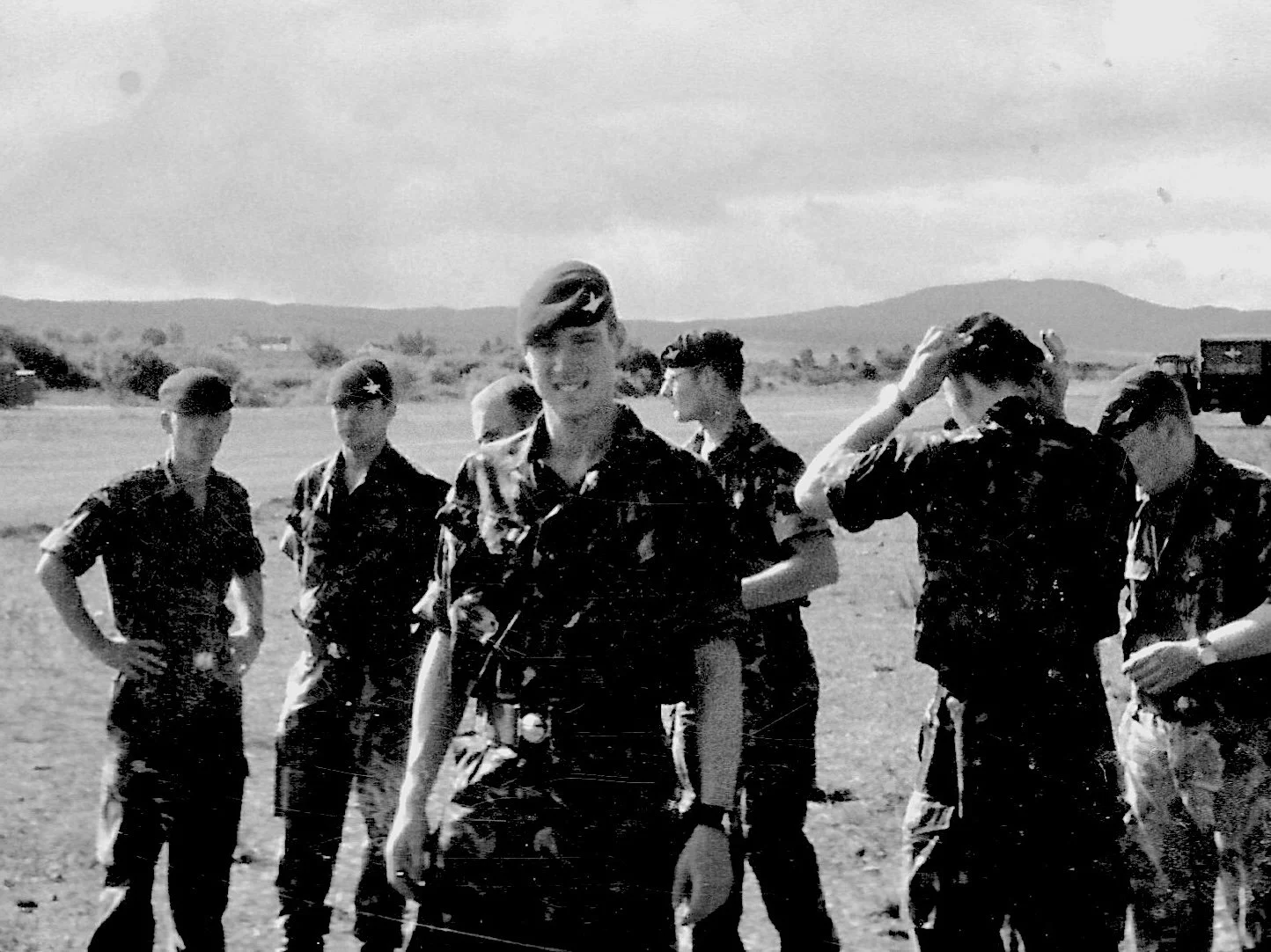
SAS selection and the Parachute Regiment were my introduction to high-performance, high-consequence environments where behaviour was treated as evidence. Enforced, compounding fatigue stress-tested intent, temperament and composure, applying the same systems logic used in AIP: reverse-engineering motivation, judgement and decision-making from behaviour.

Behaviour is evidence
To achieve the outcomes we want, the required behaviour must be deliberately programmed.
Accident Investigation & Prevention (AIP) was my first exposure to behavioural economics and choice architecture. When fatal crashes recur at the same place, the incident is the visible endpoint of an invisible causal chain: what drivers see, miss or recognise too late. The work was to reveal the chain & design the cues influencing judgement before behaviour occurs.
Evidence exposes architecture
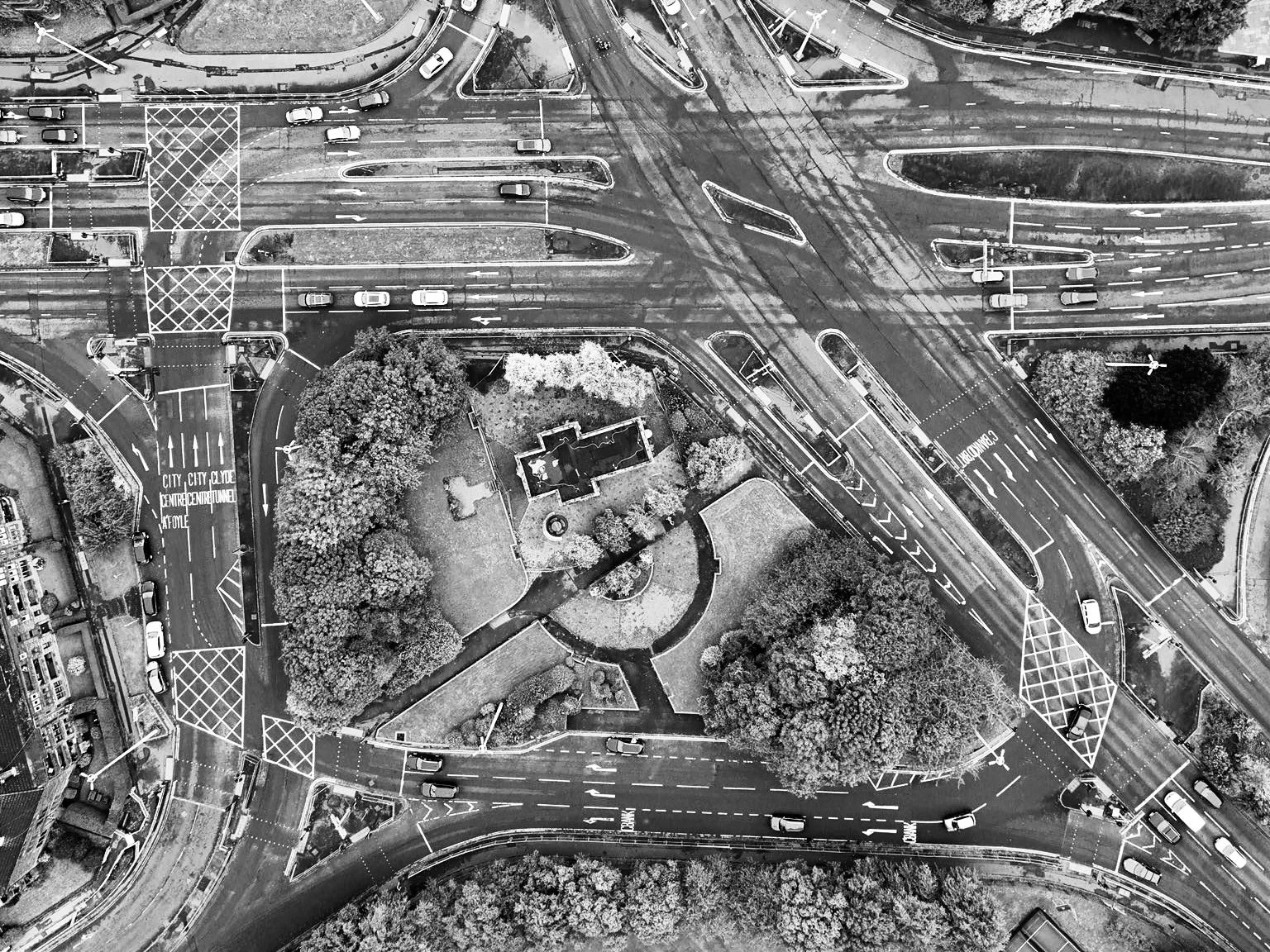
Performance architecture is the invisible governance of how work actually gets done.
The outcomes I’ve delivered over the last 20 years show the same diagnostic logic transfers across scale, sector and seniority. Failed transformations, growth plateaus, execution failures & delivery volatility are visible endpoints of the same invisible causal chain: Behaviour is the consequence of what a system is designed to produce, intended or not.
“I worked with Kenny at Heineken UK when Finance were going through a major transformation. He was quick to assimilate the nature and challenges of the business, supporting senior members of the Finance Management Team struggling with the pace of change. He has a rare combination of academic theory, very practical experience through his work in other organisations and his military background.”
Alistair Grant
Head of Procurement, Heineken UK
Outcomes
Evidence of applied performance architecture.

Performance
35% YoY growth for 3 yrs working with tech company CEO.
£2m costs avoided by diagnosing transformation failure for FD.
Finance function of 274 achieved World Class, 0.7% turnover.

People
100% staff retention during high-risk offshoring for CFO.
36% sickness absence reduction across 300 staff in 9 months.
15% engagement elevated to 80% across 241 people in 12 months.

Process
50% reduction in Shared Service Centre running costs, circa £5m.
Re-engineered Ops strategy for life sciences company in 8hrs.
Re-engineered multi-£million SSC finance processes in 16 hrs.

School of Health & Wellbeing, Research Trial Committee

Hutchesons Grammar School, Enterprise Program Advisor

Young Enterprise Scotland, Advisor & Trade Fair Judge
If your outcomes do not match intent, the question is what is the gap costing you?
I work with senior leaders and boards when governance, decision-making, and execution are no longer producing the outcomes they should.

Expose your architecture
Kenny
Performance Architecture
&
Behavioural Systems Design
Snapshot
Three decades of learning what drives performance.
Almost all organisations are conceived, structured, staffed, incentivised and optimised in silos, then expected to perform as unified systems.
My work draws on cross-domain experience to pinpoint where they disconnect.
Then refocus organisational capability and behaviour on the board’s intended direction.
Trajectory
Civil Engineer: Traffic behaviour, accident investigation & safety-critical driver-decision design.
Paratrooper & PTI: Regimental selection standards and sustained performance under pressure.
Athlete: Endurance events across running, adventure racing & mountain biking, 24hr & multi-day.
World Record Holder: Member of a 10-person team that set a 24-hour endurance world record.
Performance Architect: 15 years aligning organisational behaviour with strategic intent.
Performance Psychologist: MSc Performance Psychology, University of Edinburgh. In progress.
The environments changed, but the principles of performance stayed the same.
Evolution
Experiences that shaped how I think and work.
Engineering Shapes Behaviour
To achieve the outcomes we want, the required behaviour must be deliberately programmed.
Accident Investigation & Prevention (AIP) was my first exposure to behavioural economics and choice architecture.
When fatal crashes recur at the same place, the incident is the visible endpoint of an invisible causal chain: what drivers see, miss or recognise too late.
The work was to reveal the chain & design the cues influencing judgement before behaviour occurs.
Behaviour is evidence
Psychological state drives physiological output and its corresponding outcomes.
SAS selection and the Parachute Regiment were my introduction to high-performance, high-consequence environments where behaviour was treated as evidence.
Enforced, compounding fatigue stress-tested intent, temperament and composure, applying the same systems logic used in AIP:
Reverse-engineering motivation, judgement and decision-making from behaviour.
Evidence Exposes Architecture
Performance architecture is the invisible governance of how work actually gets done.
The outcomes I’ve delivered over the last 20 years show the same diagnostic logic transfers across scale, sector and seniority.
Failed transformations, growth plateaus, execution failures & delivery volatility are visible endpoints of the same invisible chain:
Behaviour is the consequence of what a system is designed to produce, intended or not.
-
a major transformation. He was quick to assimilate the nature and challenges of the business, supporting senior members of the Finance Management Team struggling with the pace of change. He has a rare combination of academic theory, very practical experience through his work in other organisations and his military background.”
Alistair Grant
Head of Procurement
Heineken UK
Outcomes
Evidence of applied performance architecture.
Performance
35% YoY growth for 3 yrs working with tech company CEO.
£2m costs avoided by diagnosing transformation failure for FD.
Finance function of 274 achieved World Class, 0.7% turnover.
People
100% staff retention during high-risk offshoring for CFO.
36% sickness absence reduction across 300 staff in 9 months.
15% engagement elevated to 80% across 241 people in 12 months.
Process
50% reduction in Shared Service Centre running costs, circa £5m.
Re-engineered Ops strategy for life sciences company in 8hrs.
Re-engineered multi-£million SSC finance processes in 16 hrs.
Research Trial Committee
Enterprise Program Advisor
Advisor & Trade Fair Judge
Expose your architecture
If your outcomes do not match intent, the question is: what is the gap costing you?
I work with senior leaders and boards when governance, decision-making, and execution are no longer producing the outcomes they should.